

The 7 Best Keto Supplements to Support the Keto Diet
1. Digestive Enzymes

2. Electrolytes Like Sodium, Magnesium, Potassium, and Phosphorus

3. Omega–3 Fatty Acids Like Krill Oil

4. MCT Oil

5. Vitamin D

6. Greens Powder
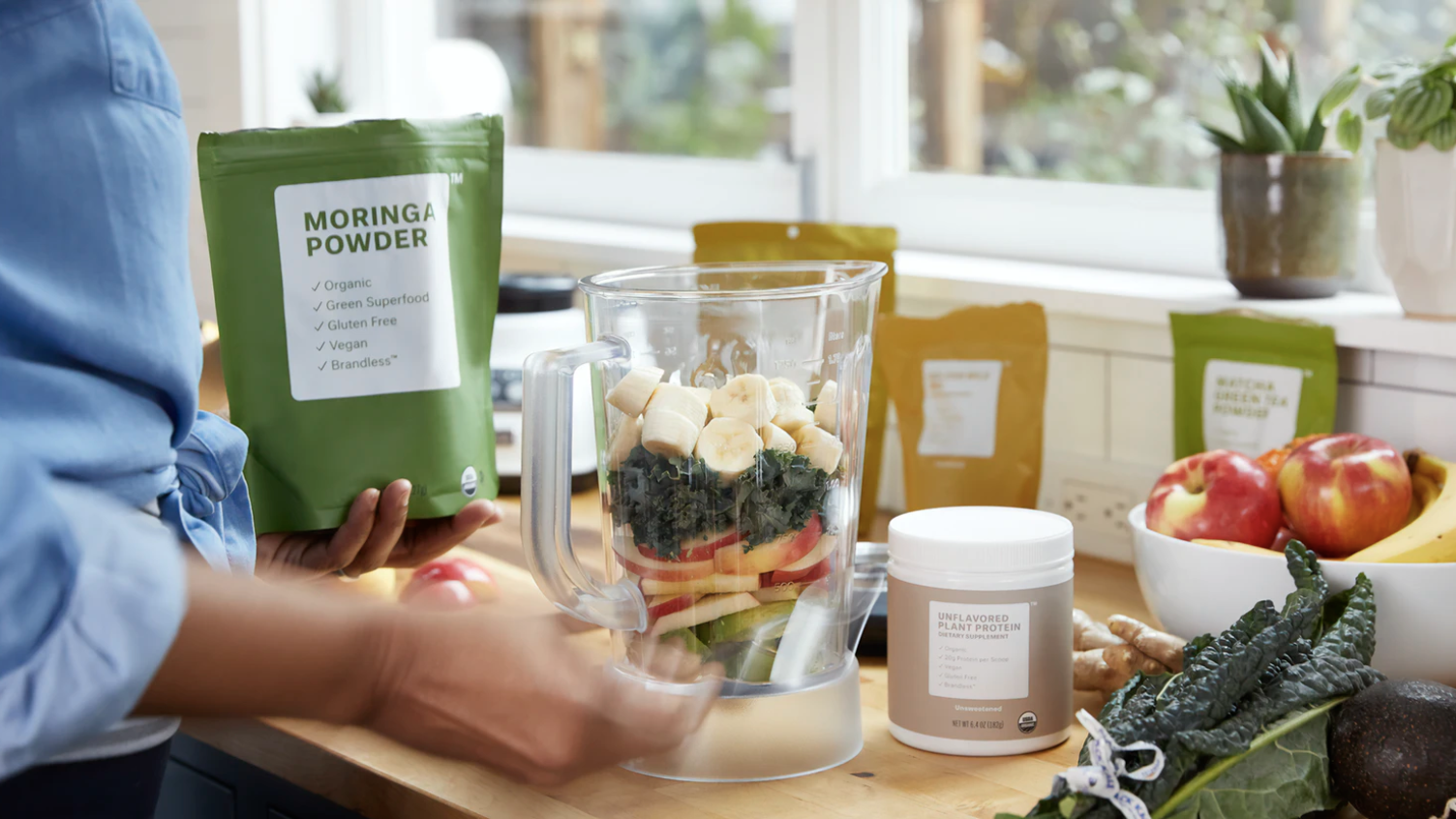 If you find you aren't eating enough vegetables, specifically leafy greens like kale and spinach, you can quickly and easily boost your intake by supplementing with a greens powder. Greens powders vary by brand, but they often contain common ingredients like wheatgrass, spirulina, chlorella, kale, kelp, ginseng, and green tea extract (6). For an easy health boost, add greens powders to smoothies, yogurt, or even a glass of milk. Upping your greens intake has many health benefits. For example, studies suggest spirulina may have "anticancer, antiviral, and antiallergic effects" (7). Spirulina isn't something you're likely to eat on its own unless you supplement with a greens powder, so consider adding this supplement to your diet.
7. Exogenous Ketones
 Exogenous ketones are an ideal and popular keto supplement. Exogenous ketones simply mean ketones that come from outside the body. Remember, your body makes ketones, also known as ketone bodies, when it's in ketosis. In addition, you can supplement with ketones to further raise your ketone levels. Supplementing with exogenous ketones may improve your mental performance, memory, and athletic performance as well as decrease inflammation (8). Exogenous ketone supplements are often referred to as ketone salts. They consist of some combination of sodium-, magnesium-, calcium, or potassium-BHB, where BHB stands for beta-hydroxybutyrate (8). Remember to look for a supplement with no sugars, carbs, or added fillers.
Key Factors to Remember When Taking Keto Supplements
 The ketogenic diet is a science-backed method to lose weight by forcing the body into a metabolic state, known as ketogenesis, where ketones are the primary energy source over glucose. Thus, your body burns fat and proteins for fuel rather than carbohydrates. The diet severely limits carbohydrate consumption to less than 50 grams per day. On the other hand, fat consumption increases significantly while protein consumption remains moderate. The keto diet emphasizes keto-friendly foods like meat, eggs, cheese, butter, cream, coconut oil, nuts and seeds, seafood, avocados, berries, and low-carb veggies like cauliflower, broccoli, kale, and zucchini. Following the keto diet can bring rapid weight loss. Your initial weight loss will be due to a loss in water weight while subsequent weight loss will come from burning fat. You can support your keto diet with supplements. Supplementation may help you avoid the "keto flu" — a host of symptoms experienced as the body adjusts to being in ketogenesis. Supplementing with exogenous ketones can increase ketone levels even further. While this way of eating is effective for rapid weight loss and fat reduction, researchers are still studying the long-term health effects of the keto diet. According to M.D. Nikola Djordjevic, individuals should follow the keto diet for a maximum of 6 months (9). To get the full benefits of a ketogenic diet, support your diet with the above supplements. It's important to note that the keto diet is not recommended for people experiencing pancreatitis, liver failure, fat metabolism disorders, and similar conditions (1). Please seek medical advice if you're wondering whether this diet is safe for you. As a friendly reminder, we're not doctors and this information does not constitute medical advice. Always consult your healthcare provider before starting a new diet. If you're ready to take control of your overall health, sign up for our email list and receive exclusive health tips we don't share with the public.

Don’t let your menopause get the best of you!

Receive the solution to your menopause symptoms in your inbox—and get your normal life back…
